
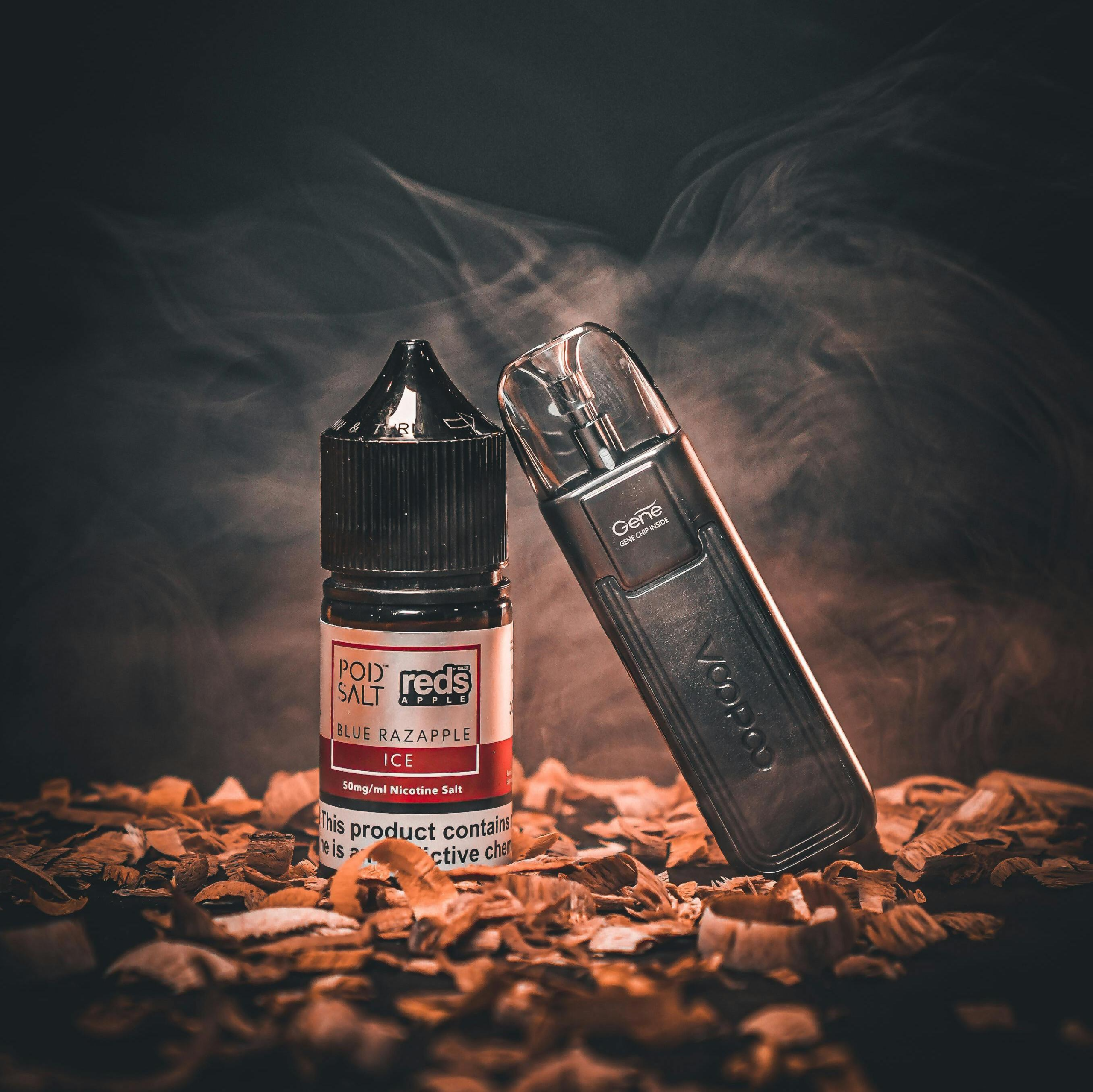
From 1 October 2026, the UK Government will introduce a new excise duty on vaping liquids, known as the Vaping Products Duty (VPD). This represents a major shift in the regulation and taxation of vaping products—similar in structure and enforcement to alcohol and tobacco excise duties. [gov.uk]
The duty forms part of the Government’s wider “Plan for Change” aimed at creating a smoke‑free generation, tackling youth vaping, and tightening control over the vape products supply chain. [mynewsdesk.com]
Scope of the Duty
VPD applies to all vaping liquids—whether they contain nicotine or not—including:
- Bottled e-liquids (10ml, 50ml, 100ml, shortfills)
- Nicotine salts
- Nicotine shots
- Prefilled pods and cartridges
- Any liquid intended to be vapourised that is not a medical or tobacco product
Hardware such as devices, tanks, coils and batteries remains outside the duty.
Duty Rate
The Government has confirmed a single flat rate of £2.20 per 10ml of vaping liquid (equivalent to 22p per ml), irrespective of nicotine content. [gov.uk], [vapesales.co.uk]
Key points:
- Duty applies per unit of volume, not nicotine strength.
- VAT (20%) is charged on top of the duty, increasing the real-terms price rise to approximately £2.64 per 10ml.
Duty Stamps (Vaping Duty Stamps Scheme – VDS)
Alongside VPD, HMRC is introducing a mandatory Vaping Duty Stamps (VDS) scheme. Every unit of vaping liquid sold in the UK must carry an HMRC‑approved stamp showing the duty has been accounted for.
Key Features of the Stamp System:
- Must be affixed to retail packaging and act as a tamper‑evident seal.
- Includes physical and digital security features, such as QR codes.
- Stamps must be purchased from an HMRC‑appointed supplier.
- Stamps confirm only excise compliance, not safety or TPD/TRPR product approval.
Timeline of Implementation
1 April 2026 – Registration Opens.
Businesses must apply for approval to:
- Manufacture or import vaping products under duty suspension
- Purchase and apply duty stamps
- Operate approved excise warehouses or storage facilities
Approval may take up to 45 working days, so early application is essential.
1 October 2026 – Duty Begins / Stamp Requirement Starts
VPD becomes payable on all vaping liquids manufactured in or imported into the UK.
Retail units must begin carrying Vaping Duty Stamps (VDS).
1 October 2026 – 1 April 2027 – Grace Period
Existing unstamped stock may continue to be sold during this six‑month transition window.
From 1 April 2027 – Full Compliance
All vaping products sold outside duty suspension must carry a duty stamp.
Sale of unstamped products becomes illegal.
Compliance Requirements for Businesses
Who Must Comply?
- UK manufacturers
- Importers
- Warehouse-keepers
- Retailers selling vaping products
- Overseas manufacturers, via UK representatives.
Key Obligations
- Operate from HMRC‑approved premises for manufacture, import or storage.
- Maintain detailed batch, invoice and movement records.
- Ensure correct application and tracking of stamps.
- Submit excise returns and pay duty when products leave suspension or enter the UK.
Enforcement. Non‑compliance may lead to:
- Civil penalties
- Seizure of goods
- Criminal prosecution
- Withdrawal of HMRC approval and inability to purchase stamps
Impact on Prices
Significant price increases are expected once duty-paid stock enters the market.
Example for a 10ml bottle:
Pre‑duty retail price: ~£3.99
Duty: +£2.20
Additional VAT: +£1.10
Estimated new retail price: ~£6.64 (≈66% increase)
NB Larger bottles (shortfills) see bigger absolute increases, though still offering better value per ml.
Policy Objectives
The Government states VPD aims to:
- Reduce youth and non‑smoker uptake by decreasing affordability
- Maintain incentives for smokers to switch to less harmful alternatives
- Improve HMRC oversight of the vape supply chain and combat illicit activity.
The reforms complement wider measures including:
Ban on disposable vapes (in force 1 June 2025)
Proposed restrictions on flavours and vape‑free zones under the Tobacco & Vapes Bill.
Practical Steps for Your Clients
As a Licensing Consultant, we advise businesses to:
Now – Early Preparation
- Map supply chains to identify duty points and storage requirements.
- Assess the need for excise warehouse approval or UK representative appointments.
- Begin financial planning for higher wholesale costs and stamp purchase.
From April 2026
- Submit HMRC applications promptly.
- Establish stamp procurement and packaging workflows.
RETAILERS: Before October 2026
- Audit existing stock to determine pre‑duty items eligible for the grace period.
- Train staff on stamp verification and compliance.
RETAILERS By April 2027
- Ensure all products carried or sold have Digital Duty Stamps (DDS).
Conclusion
The new Vaping Products Duty represents one of the most significant regulatory changes for the UK vape sector. Businesses at every level – from manufacturers to convenience stores – will face new financial, administrative and compliance responsibilities.
Early preparation is vital. This includes securing the correct HMRC approvals, adjusting pricing structures, modifying packaging processes, and ensuring robust compliance systems ahead of the 1 October 2026 implementation date.